Guided Meditation for Anxiety: A Safe Space for Emotional and Mental Healing
Anxiety can feel like a storm that arrives without warning. One moment everything seems manageable, and the next, your mind is racing with worries, your heart is pounding, and your body feels tense and overwhelmed. In today’s fast-paced world, anxiety has become one of the most common mental health challenges people face. Whether it stems from work stress, personal relationships, health concerns, or simply the pressure of daily life, anxiety can significantly impact emotional well-being. The good news is that healing and relief are possible. One of the most effective and accessible tools for managing anxiety is guided meditation for anxiety. This simple yet powerful practice helps calm the nervous system, quiet the mind, and create a sense of inner safety. Even just a quick 10-minute meditation to calm your nervous system can help you regain balance and feel more grounded. At The Enlighten Path, we believe that emotional healing begins with awareness, compassion, and intentional self-care. Guided meditation provides a gentle pathway toward mental wellness, helping individuals reconnect with their inner peace and resilience.
Understanding Anxiety and Its Impact on Mental Wellness
Anxiety is more than occasional worry or nervousness. It is a natural response to perceived threats, but when it becomes persistent, excessive, or overwhelming, it can interfere with everyday life. Common symptoms of anxiety include:
Racing thoughts
Restlessness and irritability
Difficulty concentrating
Muscle tension
Rapid heartbeat
Sleep disturbances
Constant feelings of worry or fear
When anxiety becomes chronic, it keeps the body’s stress response activated, making it difficult to relax. Over time, this can affect both physical and emotional health.
Prioritizing mental wellness involves learning techniques that help regulate stress and restore balance. Guided meditation is one such practice that supports both the mind and body in returning to a calmer state.
What Is Guided Meditation for Anxiety?
Guided meditation for anxiety is a mindfulness practice where an instructor, therapist, or recorded voice leads you through a series of calming visualizations, breathing exercises, and relaxation techniques. Unlike silent meditation, guided meditation provides direction and support throughout the process, making it especially helpful for beginners or those struggling with anxious thoughts. The goal is not to eliminate anxiety instantly but to create a safe mental space where you can observe your thoughts without becoming overwhelmed by them. Through gentle guidance, meditation helps:
Slow racing thoughts
Reduce physical tension
Improve emotional regulation
Enhance self-awareness
Promote feelings of safety and calm
Many people notice significant improvements in their stress levels after practicing guided meditation consistently.
Why Guided Meditation Works for Anxiety
When anxiety takes over, the nervous system enters a state often referred to as “fight or flight.” This survival response prepares the body to react to danger, even when no immediate threat exists. Guided meditation activates the parasympathetic nervous system, often called the “rest and digest” system. This helps counteract the stress response by slowing the heart rate, relaxing muscles, and calming the mind. Research has shown that regular meditation can:
Lower cortisol levels
Reduce symptoms of anxiety and depression
Improve emotional resilience
Enhance focus and concentration
Support overall mental wellness
The beauty of guided meditation lies in its simplicity. It requires no special equipment and can be practiced virtually anywhere.
The Science Behind a Quick 10 Minute Meditation to Calm Your Nervous System
Many people assume meditation requires long sessions to be effective. In reality, even a quick 10-minute meditation to calm your nervous system can produce noticeable benefits. When you focus on slow breathing and present-moment awareness, several physiological changes occur:
Reduced Heart Rate
Deep breathing signals the body that it is safe, helping reduce the elevated heart rate often associated with anxiety.
Lower Stress Hormones
Meditation helps decrease cortisol production, reducing the body’s overall stress burden.
Improved Brain Function
Studies suggest meditation strengthens areas of the brain associated with emotional regulation and self-awareness.
Enhanced Relaxation Response
Even short meditation sessions can shift the body from a state of tension into a state of calm and relaxation.
For busy individuals, a 10-minute practice can serve as a powerful reset button during stressful moments.
A Simple Guided Meditation for Anxiety
If you are new to meditation, try the following exercise:
Step 1: Find a Comfortable Space
Sit or lie down in a quiet environment where you will not be disturbed.
Step 2: Close Your Eyes
Gently close your eyes and allow your body to relax.
Step 3: Focus on Your Breath
- Take a slow breath in through your nose for four counts.
- Hold briefly.
- Exhale slowly through your mouth for six counts.
- Repeat several times.
Step 4: Visualize a Safe Space
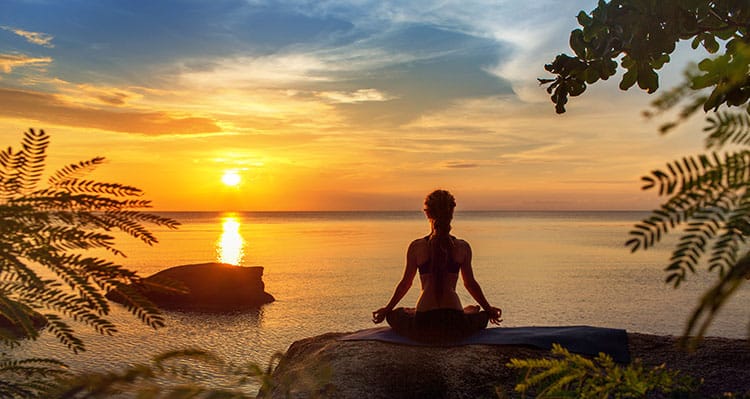
Imagine a peaceful place where you feel completely safe and supported. This could be a beach, forest, garden, or any location that brings comfort. Notice the sights, sounds, and sensations around you.
Step 5: Observe Your Thoughts
Rather than fighting anxious thoughts, simply observe them as they come and go. Imagine them floating past like clouds in the sky.
Step 6: Repeat Positive Affirmations
Silently repeat calming affirmations such as:
I am safe in this moment.
I trust myself.
My mind is becoming calmer.
Peace flows through me.
I release what I cannot control.
Step 7: Return to the Present
- Slowly bring your awareness back to your surroundings.
- Open your eyes when you feel ready.
- This simple practice can help restore emotional balance whenever anxiety feels overwhelming.
Mindfulness Exercises for Beginners to Reduce Anxiety
Many people hesitate to meditate because they believe they must completely clear their minds. In reality, mindfulness is simply the practice of paying attention to the present moment without judgment. These mindfulness exercises for beginners can complement guided meditation and strengthen your emotional resilience.
Mindful Breathing
- Spend five minutes focusing solely on your breath.
- Notice the sensation of air entering and leaving your body.
- Whenever your mind wanders, gently return your attention to your breathing.
Body Scan Meditation
Bring awareness to each part of your body, starting at your feet and moving upward. Notice areas of tension and consciously relax them.
Mindful Walking
Take a slow walk while paying close attention to each step, your surroundings, and physical sensations.
Gratitude Awareness
Pause daily to identify three things you are grateful for. This practice helps shift attention away from anxious thinking patterns.
The Power of Affirmations for Positive Energy
Negative self-talk often fuels anxiety. The thoughts we repeat internally can shape our emotional experience. Using affirmations for positive energy can help reframe anxious thinking and create healthier mental habits. Effective affirmations include:
I am calm and centered.
I am stronger than my fears.
Every breath brings me peace.
I deserve rest and healing.
I trust the journey of my life.
I am capable of handling challenges.
Positive energy flows through me.
When paired with meditation, affirmations become even more powerful because the mind is in a more receptive and relaxed state.
Creating a Daily Meditation Routine
Consistency is key when using meditation for anxiety management. You do not need an hour-long practice to experience benefits. Start small and build gradually. Consider the following routine:
Morning Practice
Begin your day with 10 minutes of guided meditation to establish a calm mindset.
Midday Reset
Take a few minutes to focus on breathing during work or study breaks.
Evening Reflection
Use meditation before bedtime to release stress and improve sleep quality.
The goal is not perfection but consistency. Even a few minutes each day can lead to meaningful improvements in mental wellness.
Common Challenges Beginners Face
Starting meditation can feel difficult at first. Many people experience challenges such as:
Racing Thoughts
This is completely normal. Meditation is not about stopping thoughts but observing them without judgment.
Restlessness
Anxiety can make sitting still uncomfortable. Begin with shorter sessions and gradually increase your practice time.
Doubting the Process
Many individuals expect immediate results. Like any skill, meditation becomes more effective with regular practice.
Patience and self-compassion are essential parts of the healing journey.
How Guided Meditation Supports Emotional Healing
Anxiety often masks deeper emotional wounds, unresolved stress, or suppressed feelings. Guided meditation creates a safe space to explore emotions without becoming overwhelmed. Over time, meditation can help:
Increase emotional awareness
Reduce reactivity
Strengthen self-compassion
Promote inner healing
Improve relationships
Foster greater self-acceptance
By developing a deeper connection with yourself, you create opportunities for lasting transformation and growth.
Why The Enlighten Path Recommends Guided Meditation for Anxiety
At The Enlighten Path, we understand that healing is not a one-size-fits-all process. Guided meditation offers a gentle and accessible approach for individuals seeking emotional balance, stress relief, and personal growth. Our holistic approach emphasizes:
Mental wellness
Mindfulness practices
Emotional healing
Self-discovery
Inner peace
Positive transformation
Whether you are experiencing occasional stress or ongoing anxiety, meditation can become a valuable part of your wellness journey.
Conclusion
Anxiety can feel overwhelming, but you do not have to navigate it alone. Guided meditation for anxiety provides a safe and nurturing space where healing can begin. Through mindful breathing, visualization, mindfulness exercises for beginners, and affirmations for positive energy, you can calm your nervous system and reconnect with a sense of peace. Even a quick 10-minute meditation to calm your nervous system can make a meaningful difference in how you feel throughout the day. The more consistently you practice, the stronger your ability becomes to manage stress, regulate emotions, and support long-term mental wellness. At The Enlighten Path, we encourage you to embrace meditation as a powerful tool for emotional and mental healing. Every mindful breath is a step toward greater calm, clarity, and inner balance.
Frequently Asked Questions (FAQs)
Is guided meditation effective for anxiety?
Yes. Guided meditation helps calm the nervous system, reduce stress hormones, and improve emotional regulation, making it highly effective for managing anxiety symptoms.
How long should I meditate for anxiety relief?
Even a quick 10-minute meditation to calm your nervous system can provide benefits. Beginners can start with 5–10 minutes and gradually increase their practice.
Can beginners practice guided meditation?
Absolutely. Guided meditation is one of the easiest mindfulness exercises for beginners because it provides step-by-step instructions throughout the session.
What are the best affirmations for positive energy?
Some effective affirmations include “I am safe,” “I trust myself,” “Peace flows through me,” and “I release what I cannot control.”
How often should I practice guided meditation?
Daily practice is ideal. Consistency helps strengthen the brain’s ability to manage stress and maintain mental wellness.
Can meditation replace professional treatment for anxiety?
Meditation is a valuable supportive tool but should not replace professional mental health treatment when needed. It works best as part of a comprehensive wellness approach.
What is the best time to meditate?
The best time is whenever you can practice consistently. Many people prefer morning meditation for focus and evening meditation for relaxation and stress relief.