
Vastu Tips for Paintings: Choose the Right Artwork to Bring Positivity, Peace and Prosperity into Your Home
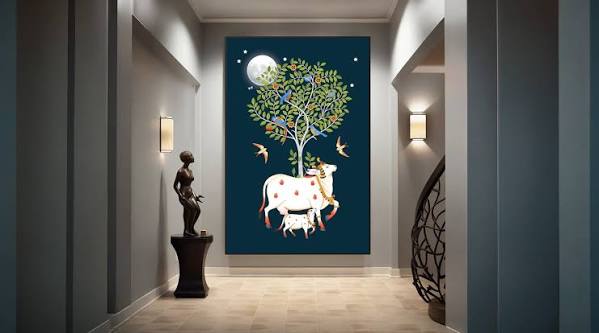
Understanding the Importance of Paintings in Vastu Shastra
Vastu Shastra is an ancient Indian architectural tradition that focuses on balancing the five elements: Earth, Water, Fire, Air and Space. It considers the arrangement of rooms, furniture, colours, lighting and decorative objects to create a harmonious living environment. According to traditional Vastu beliefs, paintings are not simply decorative accessories. Their subjects, colours and placement can symbolically represent different emotions and intentions. For instance, a painting of a sunrise represents new beginnings, while a picture of blooming flowers is associated with growth, beauty and happiness. The artwork displayed in your home also influences the visual experience of a room. Peaceful landscapes can make a space feel relaxing, while bright and inspiring artwork can create a lively atmosphere. Following Vastu principles when selecting paintings is therefore a way to combine thoughtful interior decoration with traditional beliefs about positive energy.
Best Vastu Directions for Paintings in Your Home
According to Vastu Shastra, different directions are traditionally associated with different elements and qualities. Choosing artwork according to the direction of a wall can help create a balanced decorative arrangement.
Paintings in the North Direction
The north direction is traditionally associated with prosperity, career opportunities and financial growth. It is connected with Lord Kubera, who is considered the deity of wealth. According to Vastu beliefs, paintings featuring flowing rivers, water bodies, beautiful landscapes and peaceful scenery can be suitable for the north wall. A painting of a calm water stream or a beautiful lake can also create a refreshing and relaxing atmosphere. Avoid choosing artwork that represents destruction, dryness or disturbed water if your intention is to create a peaceful environment.
Paintings in the East Direction
The east direction is associated with the rising sun, new beginnings, health and growth. It is traditionally considered a suitable direction for paintings that represent positivity and fresh opportunities. You can choose paintings featuring:
A beautiful sunrise or rising sun.
Green trees and fresh landscapes.
Blooming flowers.
Birds flying freely.
Pictures representing knowledge and learning.
A sunrise painting in the east direction can serve as a beautiful reminder of hope, motivation and new beginnings.
Paintings in the South Direction
The south direction is traditionally connected with strength, stability and the Fire element. According to some Vastu traditions, this direction can be used for artwork that represents confidence, courage and determination. Paintings of mountains, strong animals or inspiring landscapes may be considered for this area, depending on the artwork and the overall room arrangement. Choose images that communicate stability and confidence rather than aggression or fear.
Paintings in the West Direction
The west direction is associated with fulfilment, gains and creativity in traditional Vastu interpretations. Paintings representing happy moments, beautiful landscapes, golden fields, flowers and achievements can be considered for this direction. A well-chosen painting can make the space feel warm and inviting while adding personality to your interiors.
Paintings in the Northeast Direction
The northeast direction, also known as Ishan Kona, is considered particularly auspicious in traditional Vastu Shastra. It is associated with spirituality, clarity, peace and wisdom. Choose paintings that represent:
Peaceful natural scenery.
Spiritual symbols and divine imagery.
Meditation and yoga.
Beautiful flowers.
Calm and open landscapes.
Avoid overcrowding this area with too many large or visually disturbing paintings. Keeping it clean, light and organised is traditionally preferred.
Best Vastu Paintings for Different Rooms
Every room in your home serves a different purpose. A living room is a place for social interaction, a bedroom is meant for relaxation, and a study room supports learning and concentration. Therefore, the artwork should match the purpose of the space.
Vastu Paintings for the Living Room
The living room is one of the most important areas of a home because it is where family members spend time together and guests are welcomed. According to Vastu Shastra, this space should feel open, cheerful and welcoming. Some of the best paintings for the living room include seven running horses, peacocks, blooming flowers, beautiful nature scenes, the Tree of Life and happy family artwork. A seven-horse painting is traditionally associated with progress, determination and success. A peacock painting represents beauty, grace and positivity, while a Tree of Life painting symbolises growth, strength and family connections. You can select artwork with bright yet balanced colours to make your living room feel lively. Avoid paintings that show sadness, destruction, loneliness or violence.
Vastu Paintings for the Bedroom
A bedroom should be a peaceful space where you can relax after a long and tiring day. The artwork in this room should promote emotional comfort, love and togetherness. According to traditional Vastu recommendations, soft and soothing paintings are considered suitable for bedrooms. You can choose paintings of Radha Krishna, beautiful flowers, peaceful landscapes, romantic artwork or a happy couple. Radha Krishna paintings are traditionally associated with love, devotion and harmony. Similarly, paintings featuring two birds together can symbolise companionship and emotional bonding. Choose soft shades such as light pink, pastel green, cream, light blue and lavender. Avoid paintings of aggressive animals, war scenes, crying faces, lonely people or stormy oceans. It is also better to avoid highly energetic artwork directly above the bed because the bedroom should maintain a calm and relaxing atmosphere.
Vastu Paintings for the Kitchen and Dining Area
The kitchen represents nourishment, health and prosperity. The dining area is where family members gather to share meals and spend quality time together. For these spaces, you can choose paintings featuring fresh fruits, vegetables, flowers, harvest scenes and natural elements. Artwork featuring food and colourful fruits can create a cheerful and welcoming dining environment. Choose paintings that complement the kitchen’s colour scheme without making the walls look overcrowded. Avoid disturbing or unpleasant images, and keep artwork away from excessive heat, smoke and moisture.
Vastu Paintings for the Study Room
A study room should encourage concentration, creativity and intellectual growth. Students and working professionals can choose artwork that inspires learning and motivation. Paintings of rising suns, mountains, green landscapes, books, inspiring quotes and beautiful natural scenery can be suitable choices. A painting of a sunrise can symbolise fresh opportunities and new beginnings. Similarly, a picture of a tree with strong roots can represent knowledge, patience and personal development. Keep the artwork simple and avoid overly colourful or distracting paintings that may affect concentration.
Vastu Paintings for the Home Office
A home office should create an environment that supports productivity, confidence and professional growth. According to traditional Vastu beliefs, motivational paintings can be used to encourage progress and determination. Some suitable options include:
Seven running horses representing progress and success.
Mountain paintings symbolising strength and stability.
Sunrise paintings representing new opportunities.
Green landscapes representing growth and freshness.
Inspirational artwork that encourages confidence.
Choose paintings that make you feel motivated without creating visual distractions. You can also consider placing a meaningful achievement-related painting in a location where it is easily visible while working.
Top 10 Auspicious Paintings for Home According to Vastu
If you are confused about which painting to select, here are ten popular artwork choices that are traditionally associated with positive qualities in Vastu Shastra.
1. Seven Running Horses Painting
A seven running horses painting is one of the most popular choices for people looking to represent success, progress and professional growth. According to traditional beliefs, seven horses symbolise speed, determination, energy and forward movement.
The south wall is commonly recommended for this painting in Vastu-inspired interior arrangements. You can also consider placing it in a living room or office.
Choose a painting where all seven horses appear healthy and energetic, moving in the same forward direction. Avoid images where horses look aggressive, injured or trapped.
2. Rising Sun Painting
A rising sun painting represents positivity, hope, energy and new beginnings. It is particularly suitable for people who want to create an uplifting atmosphere in their homes.
According to Vastu traditions, the east direction is associated with the rising sun and fresh opportunities. Therefore, an attractive sunrise painting can be placed on an east-facing wall.
Choose artwork with warm shades of orange, yellow and golden light to create a bright and welcoming appearance.
3. Waterfall Painting
Water is traditionally associated with abundance, movement and prosperity. A peaceful waterfall painting is often recommended for the north direction.
A painting featuring clear flowing water, green surroundings and natural beauty can make the living room feel fresh and relaxing.
Select a waterfall image that looks peaceful rather than extremely powerful or destructive. Traditional Vastu recommendations commonly favour calm water imagery in suitable areas and discourage placing such paintings in bedrooms.
4. Lotus Flower Painting
The lotus is a beautiful symbol of purity, spiritual growth, beauty and transformation in Indian traditions.
A lotus painting can be placed in a meditation space, prayer area or living room. Pink and white lotus artwork is particularly popular because of its peaceful and elegant appearance.
It can also work beautifully in spaces where you want to create a calm and positive atmosphere.
5. Radha Krishna Painting
Radha Krishna paintings are traditionally associated with unconditional love, devotion, emotional connection and harmony.
They are popular choices for couples and families who want to create a peaceful and loving environment.
A beautiful Radha Krishna painting can be placed in the bedroom or living room, depending on personal beliefs and the specific devotional tradition followed by the family.
Choose artwork that expresses love, peace and devotion rather than dramatic or aggressive scenes.
6. Peacock Painting
The peacock is associated with beauty, grace, happiness and prosperity in Indian culture. A peacock painting can add colour and elegance to your interiors.
You can place peacock artwork in the living room, entrance area or another suitable decorative space.
Choose vibrant but balanced colours that complement your home interiors. A pair of peacocks can also be used as a symbol of companionship and togetherness.
7. Elephant Painting
Elephants are traditionally associated with strength, wisdom, stability and good fortune.
A painting of elephants can be a beautiful addition to your living room or entrance area. Some Vastu traditions recommend images of elephants with raised trunks as symbols of welcome and auspiciousness.
Choose peaceful elephant artwork rather than images showing animals fighting or displaying aggression.
8. Tree of Life Painting
The Tree of Life is a meaningful symbol representing family connections, growth, stability and the relationship between nature and life.
Its strong roots represent stability, while its branches symbolise opportunities, development and expansion.
This painting is suitable for living rooms, study areas and family spaces. Choose artwork with fresh green leaves and a balanced appearance.
9. Fish Painting
Fish are traditionally associated with prosperity, abundance and good fortune in several Indian cultural beliefs.
A painting featuring colourful fish swimming peacefully in clear water can create a refreshing visual experience.
Such artwork is commonly recommended for the north direction in Vastu-inspired arrangements. Avoid images of dead fish, dirty water or fish appearing trapped.
10. Green Nature and Landscape Painting
Nature paintings are among the easiest ways to create a refreshing and peaceful environment at home.
Artwork featuring green forests, gardens, mountains, blooming flowers and open landscapes can make rooms feel connected to nature.
Choose paintings that represent freshness, life and growth. You can use them in living rooms, study areas and other spaces where you want a calming visual effect.
Vastu Tips for Choosing the Right Colours in Paintings
Colours play an important role in interior decoration because they influence the overall appearance and emotional atmosphere of a room. In Vastu-inspired home decoration, different colours are traditionally associated with different elements and qualities. Choosing the right colour combination can help you create a balanced and attractive space.
Blue Colour for Peace and Calmness
- Blue is associated with water, relaxation and tranquillity. Paintings featuring blue skies, calm rivers, oceans and peaceful landscapes can create a soothing atmosphere.
- Blue artwork is particularly suitable for spaces where you want a relaxed and refreshing appearance.
Green Colour for Growth and Freshness
- Green represents nature, renewal, balance and growth. Paintings featuring trees, plants, forests and gardens can bring a natural feeling into your home.
- Green artwork can be used in living rooms, study rooms and workspaces.
Yellow Colour for Happiness and Positivity
- Yellow is associated with sunshine, optimism and happiness. Paintings featuring yellow flowers, golden sunlight and bright natural scenery can make a room feel cheerful.
- It is a good choice when you want to add warmth and brightness to your interiors.
Pink Colour for Love and Relationships
- Pink is commonly associated with affection, compassion and emotional warmth. Soft pink floral paintings and romantic artwork can be suitable for bedrooms and personal spaces.
- Choose gentle shades rather than extremely bright combinations if your intention is to maintain a relaxing environment.
White Colour for Peace and Simplicity
- White represents simplicity, clarity and peace. Paintings featuring white flowers, peaceful landscapes and minimalistic designs can create a clean and elegant appearance.
- White artwork is especially suitable for meditation spaces and rooms with neutral interiors.
Orange Colour for Energy and Motivation
- Orange is associated with enthusiasm, warmth and creativity. Paintings featuring sunrise scenes, autumn landscapes and warm natural colours can make a room feel energetic.
- Use orange artwork in moderation, especially in spaces intended for relaxation.
Paintings to Avoid at Home According to Vastu
While choosing beautiful paintings is important, traditional Vastu guidance also recommends avoiding certain types of artwork that may create an uncomfortable or disturbing atmosphere. The intention is to keep your surroundings visually pleasant and emotionally positive.
Paintings Showing Violence and War
Avoid paintings that show battles, fighting, bloodshed, destruction or aggressive situations. Such artwork can create an unpleasant visual atmosphere, particularly in shared family spaces.
Paintings of Sadness and Loneliness
Artwork showing crying faces, isolated individuals, grief or deep sadness may create a heavy emotional impression.
Instead, choose paintings that represent happiness, togetherness, hope and emotional comfort.
Paintings of Dead or Dry Trees
Dry trees, barren landscapes and lifeless plants are traditionally discouraged in Vastu-inspired home decoration because they symbolise stagnation and a lack of growth.
Choose paintings featuring green trees, blooming flowers and fresh natural surroundings.
Paintings of Sinking Ships or Stormy Oceans
Sinking ships, destructive waves, dark storms and turbulent water scenes are generally considered unsuitable for peaceful home interiors.
If you like water-themed paintings, choose images of calm rivers, clear lakes or gentle waterfalls.
Paintings of Aggressive Animals
Avoid artwork showing animals attacking each other, fighting or displaying extreme aggression.
Peaceful animal paintings, birds and nature-inspired artwork can be better alternatives for family spaces.
Broken, Damaged or Torn Paintings
According to traditional Vastu recommendations, broken frames, torn paintings and damaged artwork should not be displayed.
Apart from symbolic considerations, damaged frames can also affect the overall appearance and safety of your interiors. Repair or replace them when needed.
Important Vastu Rules for Placing Paintings at Home
Selecting the right painting is only one part of creating a balanced home. Its placement, condition, size and overall appearance are equally important.
Hang Paintings at the Right Height
Always hang paintings at a comfortable eye level so that they can be viewed naturally. Avoid placing artwork too high or too low because it can disturb the visual balance of the room.
Keep Paintings Clean and Well Maintained
Dusty, damaged or neglected paintings can make your interiors look untidy. Clean your paintings and frames regularly to maintain their beauty.
Avoid Overcrowding Your Walls
Displaying too many paintings on one wall can make a room look cluttered. Select a few meaningful artworks that complement each other and allow enough empty space around them.
Choose Artwork According to the Room
Every painting should match the purpose of the room. Select peaceful artwork for bedrooms, motivational paintings for offices and cheerful images for living rooms.
Pay Attention to the Direction of the Artwork
Before hanging a painting, identify the direction of the wall using a compass. Traditional Vastu recommendations associate different artwork themes with different directions. However, the room’s layout, family preferences and practical interior requirements should also be considered.
Select Good-Quality Frames
Frames enhance the appearance of paintings and protect the artwork. Choose frames that complement the painting and your interior design. Wooden frames, neutral shades and simple designs can work beautifully in most homes.
Common Vastu Mistakes to Avoid While Decorating Your Home with Paintings
Sometimes, people select beautiful paintings but overlook small details that can affect the overall appearance and balance of their interiors.mHere are some common mistakes you should avoid:
Selecting paintings only because they are fashionable without considering their meaning.
Placing aggressive or disturbing artwork in bedrooms.
Keeping broken, faded or damaged frames on walls.
Displaying too many unrelated paintings in one room.
Ignoring the purpose and atmosphere of the room.
Placing spiritual paintings in disrespectful or unsuitable locations.
Choosing artwork that clashes with the existing interior colours.
Following random Vastu recommendations without considering the complete home layout.
Remember that Vastu Shastra is a traditional system of architectural and spatial beliefs. Different practitioners may offer different recommendations. There is no scientific guarantee that a particular painting or direction will bring wealth, success or health. Choose artwork that also makes you and your family feel comfortable and happy.
How The Enlighten Path Can Help You Choose the Right Paintings According to Vastu
Choosing paintings according to Vastu can sometimes become confusing, especially when different directions, room arrangements and traditional recommendations are involved. The Enlighten Path focuses on helping individuals understand Vastu principles and create more balanced living environments. Whether you are planning to decorate a new home, rearrange your existing interiors or understand the importance of directional placement, professional Vastu guidance can help you make informed decisions. A personalised Vastu consultation can help you understand the arrangement of different spaces, suitable decorative elements and traditional recommendations according to your home’s layout. Instead of making unnecessary changes, focus on creating an environment that supports peace, comfort, positivity and harmony. Explore The Enlighten Path to learn more about Vastu, spiritual guidance and creating a harmonious living environment.
Frequently Asked Questions (FAQs) About Vastu Tips for Paintings
1. Which painting is best for home according to Vastu?
According to traditional Vastu beliefs, seven running horses, sunrise, lotus flowers, peacocks, Radha Krishna, elephants, Tree of Life and peaceful nature paintings are popular choices. The ideal painting depends on the room, direction and intended atmosphere.
2. Which direction is best for hanging paintings at home?
The east, north and northeast directions are commonly recommended for specific types of positive and spiritual artwork. Sunrise paintings are traditionally associated with the east, water paintings with the north and spiritual artwork with the northeast.
3. Is a seven-horse painting good for home according to Vastu?
Yes, seven running horses are traditionally associated with success, speed, progress and determination. They are commonly recommended for living rooms and offices, with the south wall often suggested for placement.
4. Where should I place a waterfall painting according to Vastu?
The north direction is traditionally considered suitable for waterfall paintings because it is associated with the Water element and prosperity. Some Vastu recommendations also consider the northeast suitable, depending on the overall layout.
5. Which painting is best for the bedroom according to Vastu?
Soft floral artwork, Radha Krishna paintings, peaceful landscapes and images representing love and togetherness are popular choices for bedrooms. Choose soothing colours and avoid disturbing or aggressive images.
6. Can I hang a Buddha painting in my living room?
Yes, a Buddha painting can be placed in a clean and respectful area of the living room. It is traditionally associated with peace, wisdom, mindfulness and meditation. Choose an appropriate location where the artwork is treated respectfully.
7. Which paintings should be avoided at home according to Vastu?
Traditional Vastu recommendations generally discourage paintings showing violence, war, sadness, destruction, aggressive animals, sinking ships, stormy oceans and dry or lifeless landscapes.
8. Is a peacock painting good for home?
Yes, peacock paintings are traditionally associated with beauty, happiness, grace and prosperity. They can be displayed in living rooms and other suitable areas to add colour and elegance to your interiors.
9. Can I place a water painting in my bedroom?
Traditional Vastu advice generally prefers calm, non-water-themed artwork for bedrooms because the space is intended for rest and relaxation. You can choose soft floral paintings, peaceful landscapes or artwork representing love and harmony instead.
10. Do painting colours matter in Vastu Shastra?
Yes, colours are considered important in traditional Vastu interpretations. Blue is associated with calmness, green with growth, yellow with happiness, pink with love and white with peace. Choose colours that complement the room and create a comfortable atmosphere.
11. Is it necessary to change all paintings if my home is not Vastu-compliant?
No, you do not need to replace every painting. Start by understanding the artwork, its placement and the atmosphere it creates. Make practical changes only where necessary. For specific concerns, you can seek personalised Vastu guidance.
12. Can paintings really bring positive energy into a home?
According to Vastu beliefs, meaningful and positive artwork can support a harmonious environment. From a practical perspective, beautiful and uplifting paintings can influence how a space looks and how people feel in it. However, paintings alone cannot guarantee financial success, good health or other life outcomes.
Conclusion
Paintings are an important part of home decoration because they reflect your personality, emotions and preferences. According to Vastu Shastra, selecting the right artwork and placing it in a suitable direction can symbolically support positivity, peace, prosperity and harmony. Whether you choose a seven-horse painting for motivation, a lotus painting for spiritual growth, a sunrise painting for new beginnings or a Radha Krishna painting for love and togetherness, always select artwork that has a meaningful connection with your home and family. Remember that a beautiful home is not just about following directions or decorating walls. It is about creating a space where everyone feels peaceful, comfortable and happy. Follow these Vastu tips for paintings to make thoughtful decorating choices and create a home that reflects positivity, balance and happiness. For more insights into Vastu Shastra, spiritual well-being and positive living, visit The Enlighten Path.